MARKS & SPENCER
The showroom,
on screen
Marks & Spencer is a British heritage retailer, founded in 1884, with around £10bn in annual revenue and nearly 1,500 stores across the UK and internationally. Online was a growing part of that: by 2019, 22% of UK clothing and home sales came through M&S.com.
I worked in its ecommerce product design team across a wide range of features, from checkout flows to product description pages. For the last nine months, I was design lead on the complete relaunch of the furniture proposition.
Deep dive: making quality visible
Context
M&S had just refreshed its furniture in store. The website had not kept up. The brief was to redesign the furniture product page and build a new sofa builder.
I was the only designer on a squad of six: a product manager, an engineering manager, one back-end and two front-end engineers, and me. An external 3D studio produced the renders, and copy came from the M&S content team.
Over nine months I assisted with discovery, research and lead UX, UI, prototyping, user studies and front-end sign-off.
Outcome
60%
Increase in LTV for every additional asset held
+25%
Sofa sales in Q1 (Apr to Jun 2020)
12
Of 16 new components live before COVID
Insights
The furniture market is dominated by specialists, and M&S.com’s digital experience wasn’t keeping up. Customers saw the higher prices as a drawback and didn’t know about the quality behind them. Research found the root cause: a disconnect between the order and manufacturing stages left customers uninformed, which drove frequent cancellations.
Solution
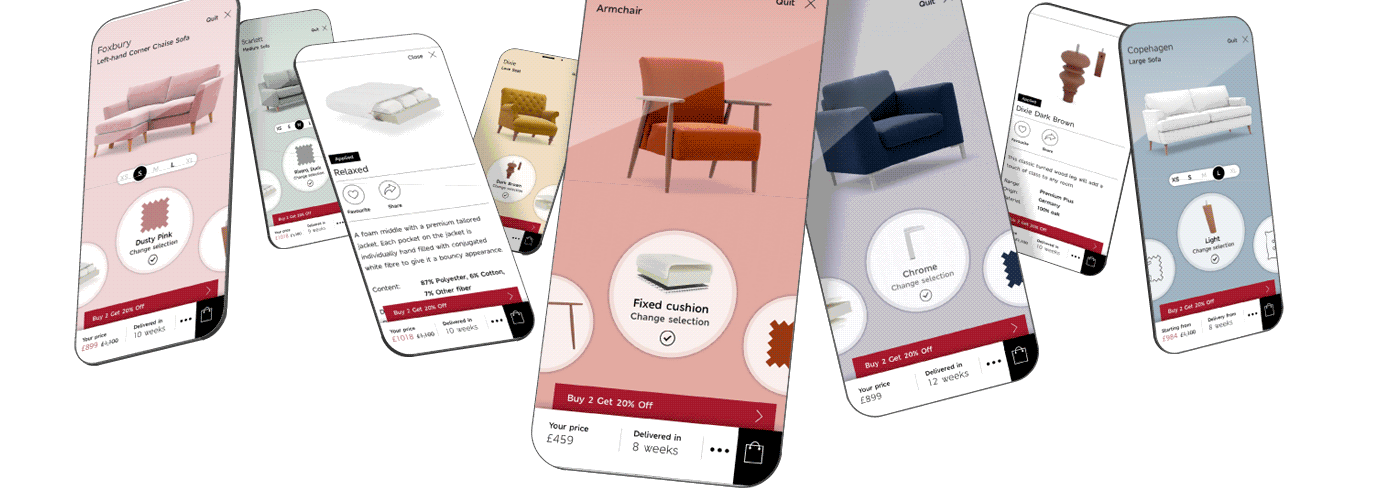
We reimagined the digital journey to match the refreshed physical store. We redesigned product discovery, including landing and product detail pages, to improve clarity and engagement. The centrepiece was an interactive Sofa Builder that lets customers customise and buy furniture with ease. Together, these changes made the process more transparent, clarified the value proposition and reinforced M&S’s premium positioning.
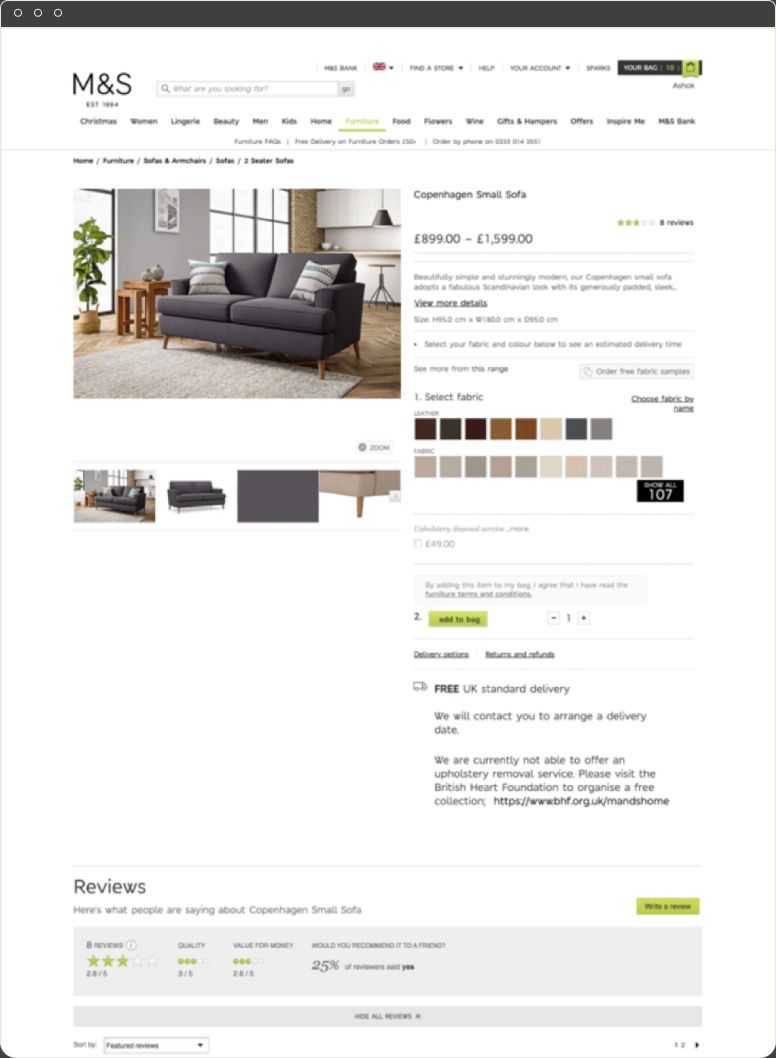
How we started
Understanding Our Ecosystem and Competitor Landscape
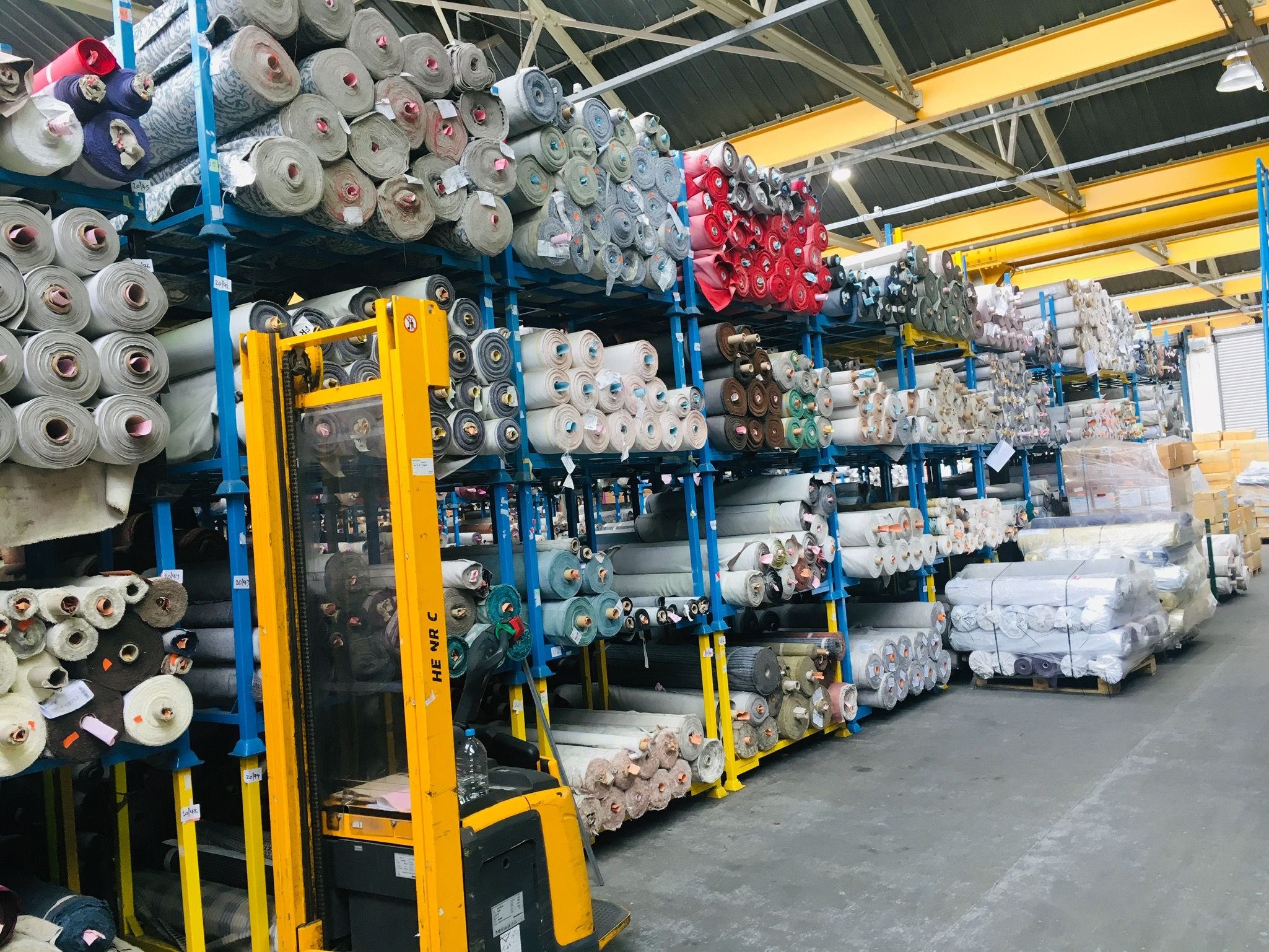
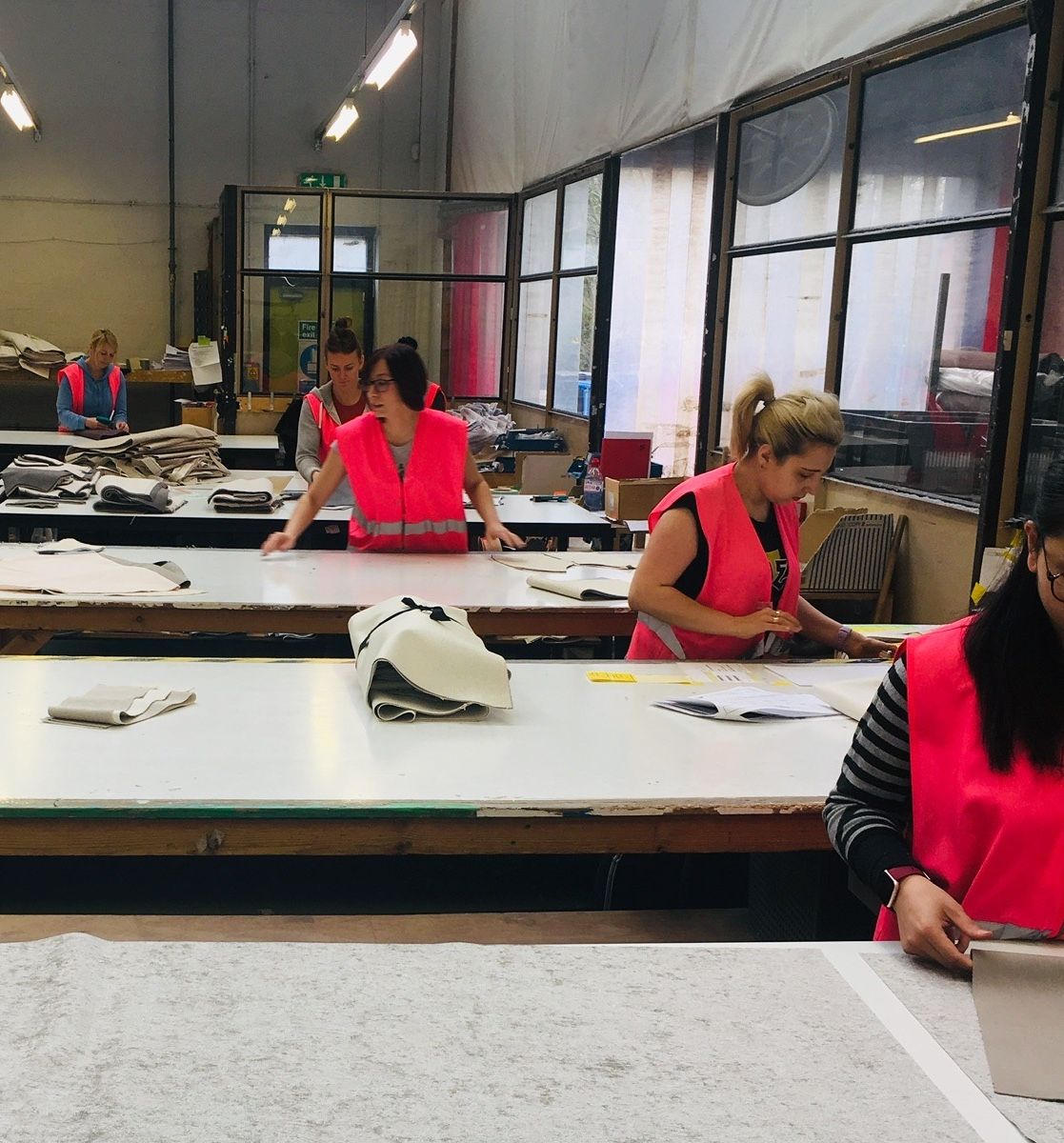
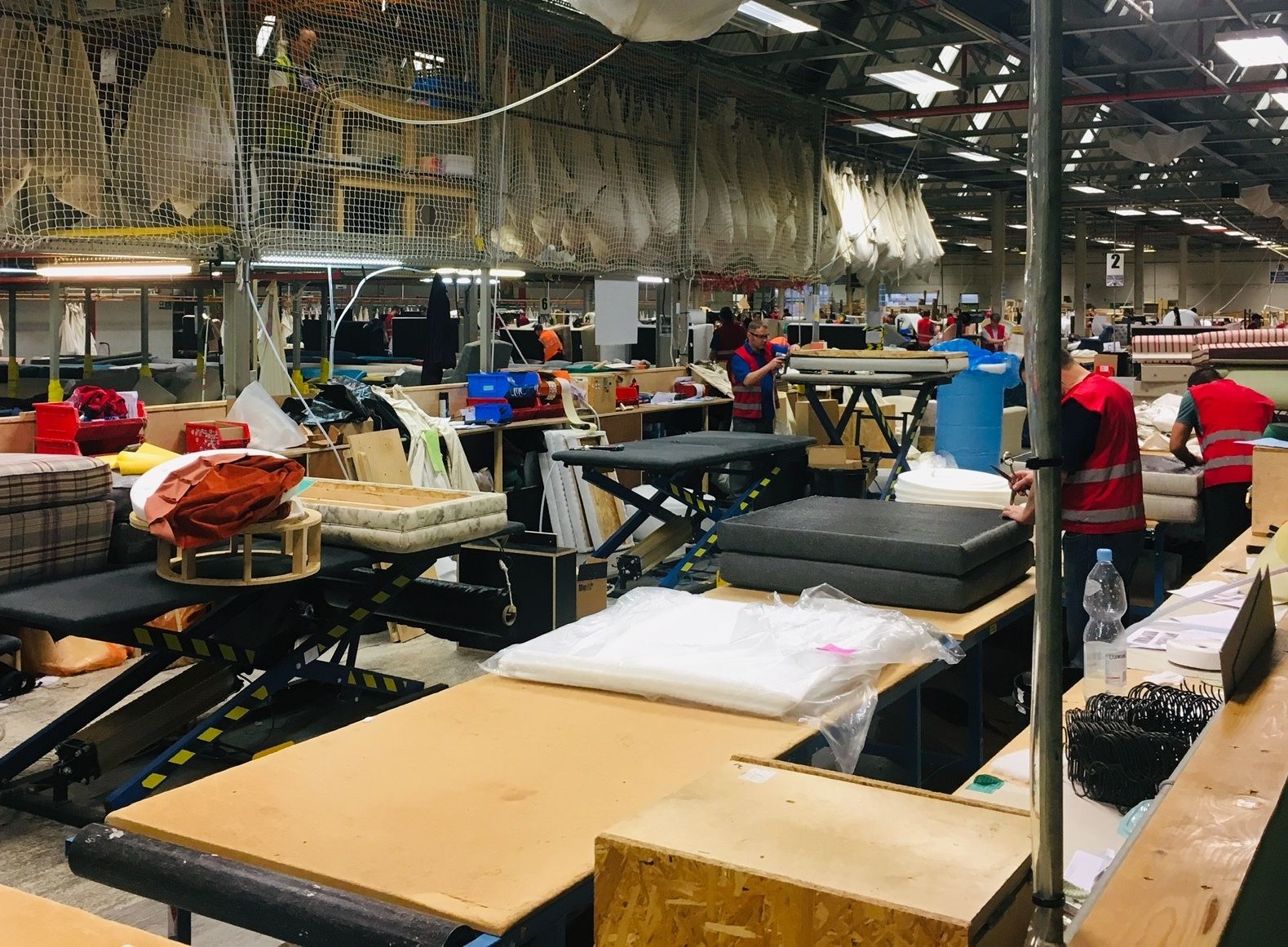
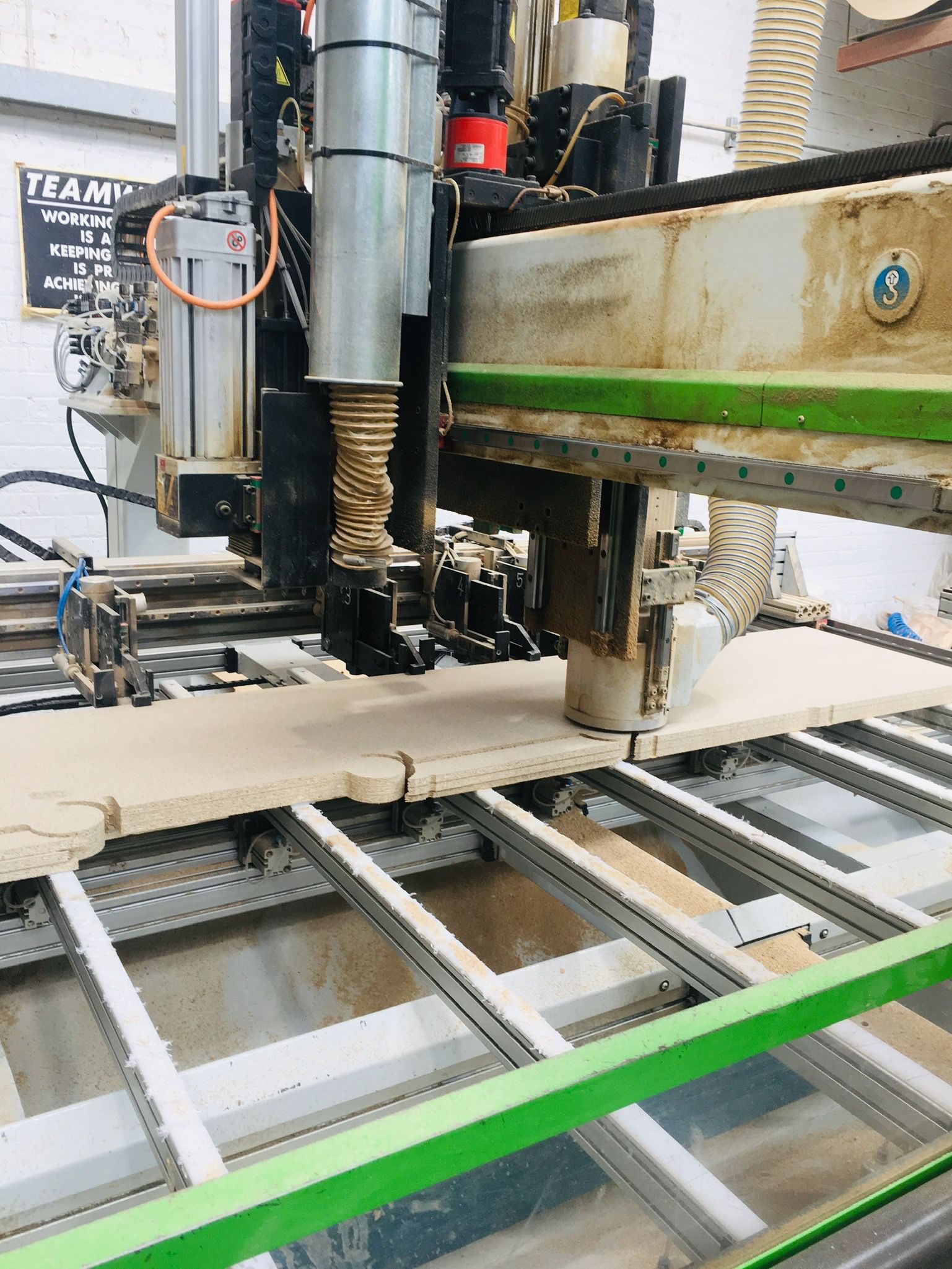
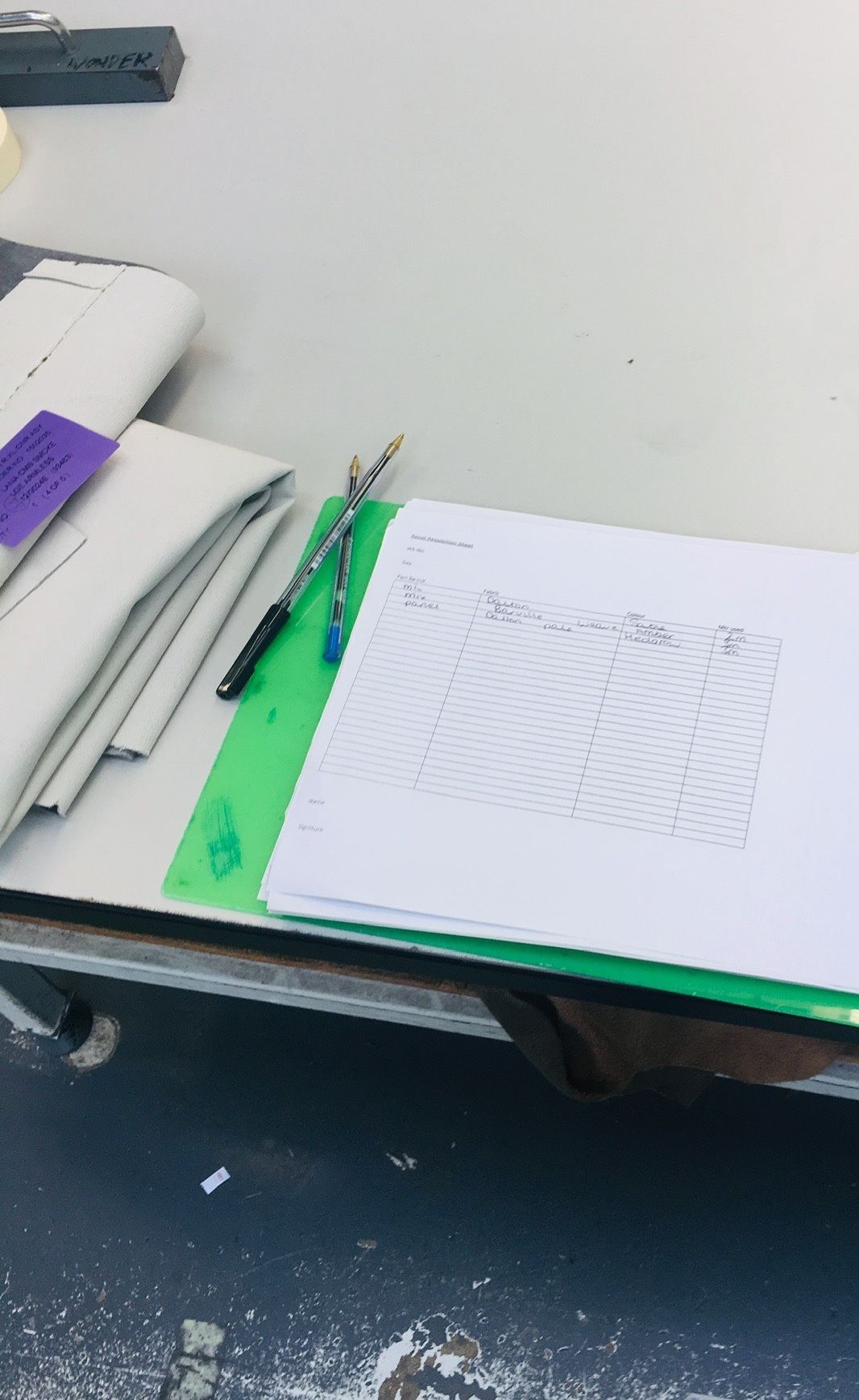
We worked with every department the furniture product touched: buyers, logistics and stylists. This gave us a full view of the operational issues behind poor customer experiences. On a factory visit, we found the same facility made furniture for Next, John Lewis and Loaf. M&S products, however, went through more rigorous quality testing than the others, which backs up their craftsmanship and durability.
Hypothesis 1: Showing the manufacturing process would explain the price premium and communicate market-leading quality.
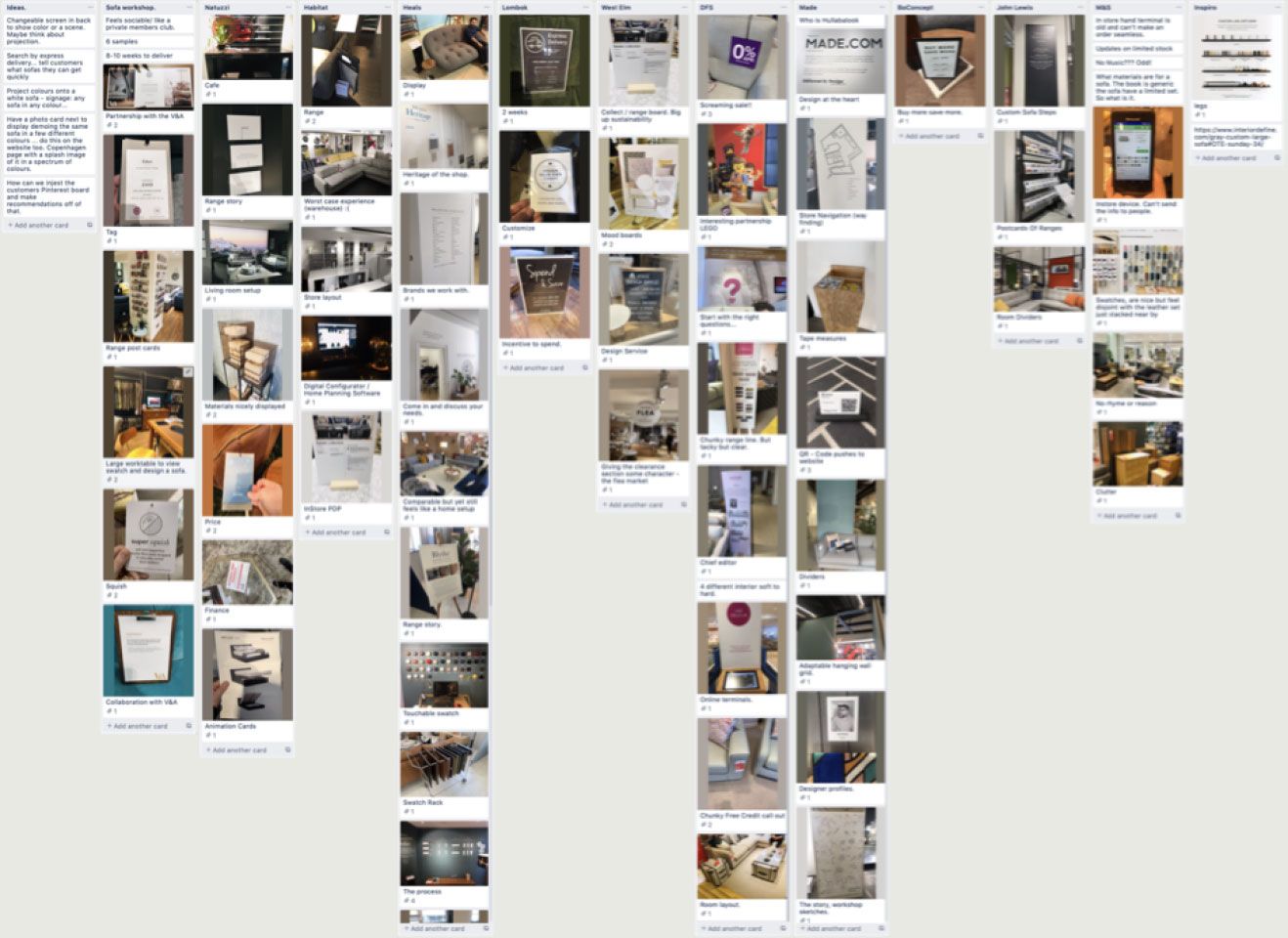
Hypothesis 2: Digitising the best in-store experiences would reassure customers hesitant to buy expensive items online. We researched over 20 leading furniture brands to identify the moments in their journeys that build trust.
Field research
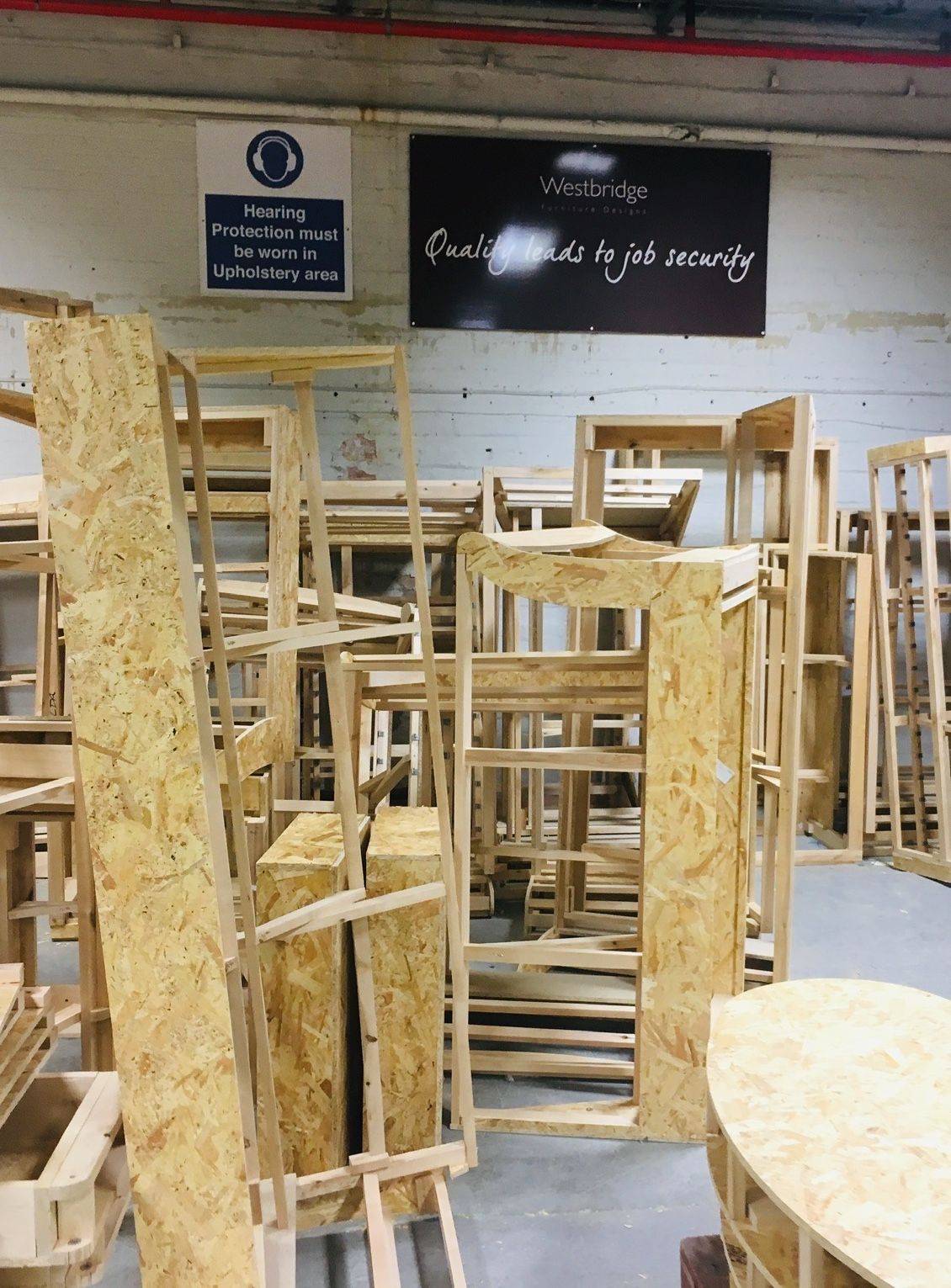
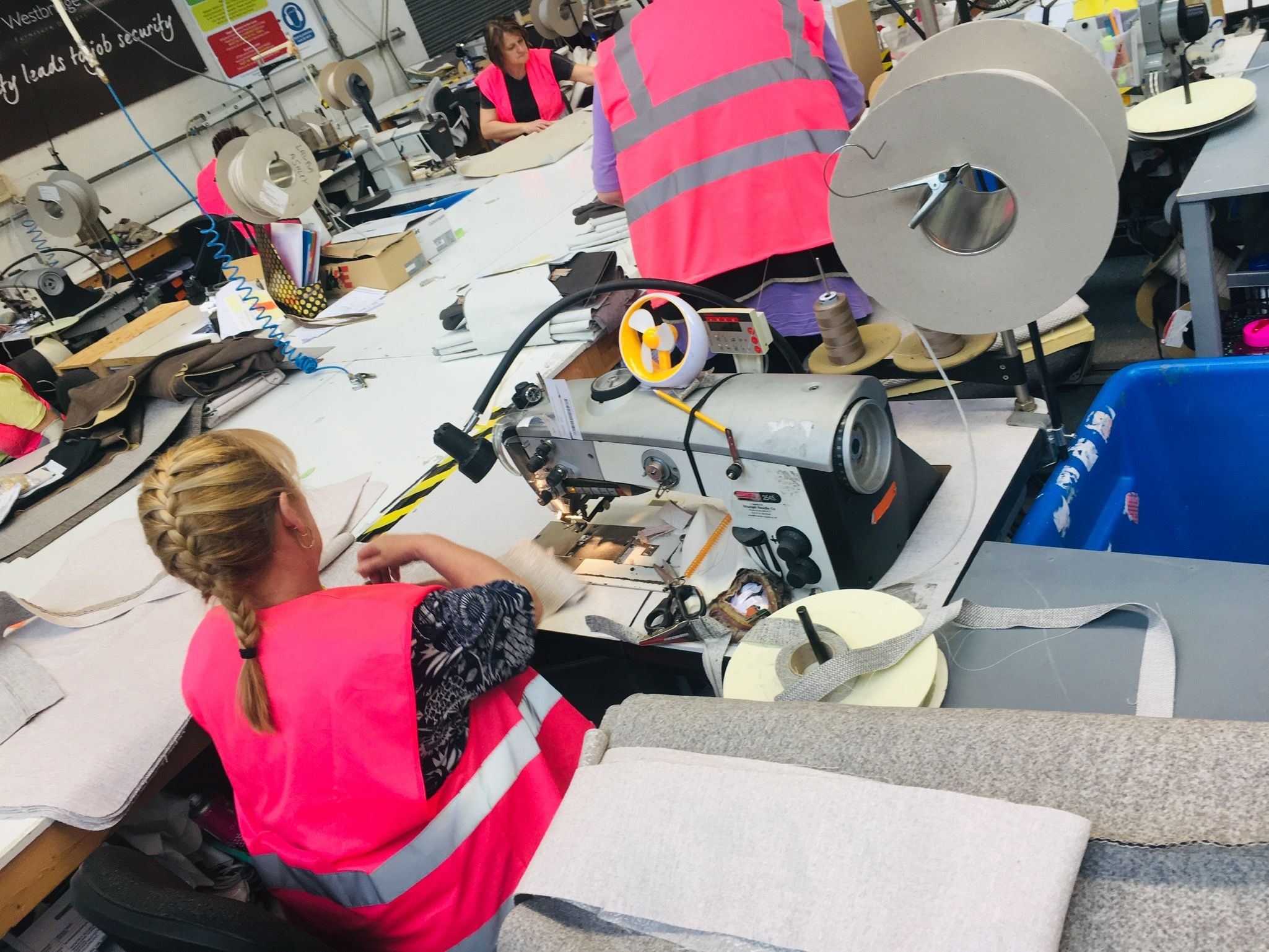
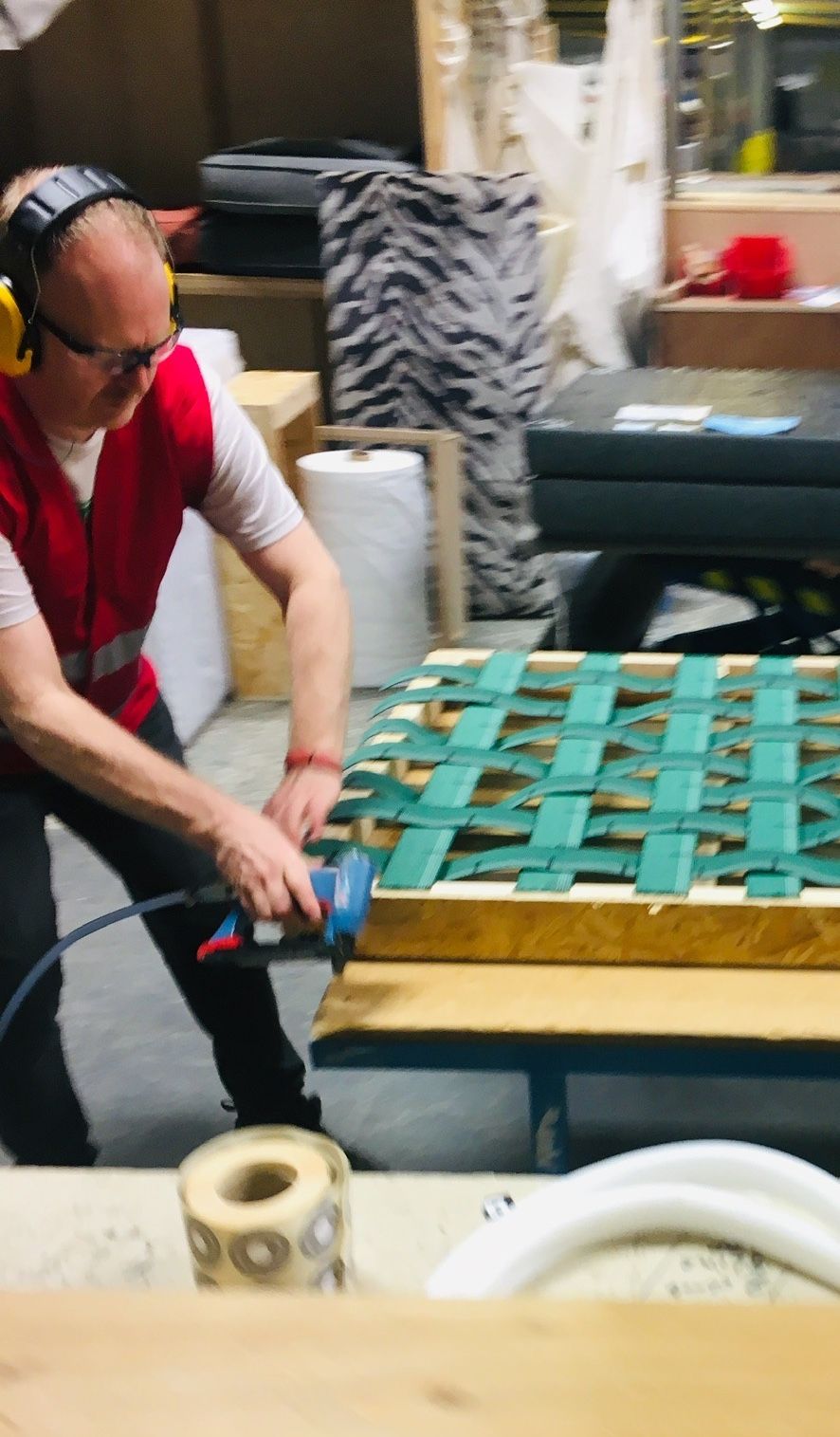
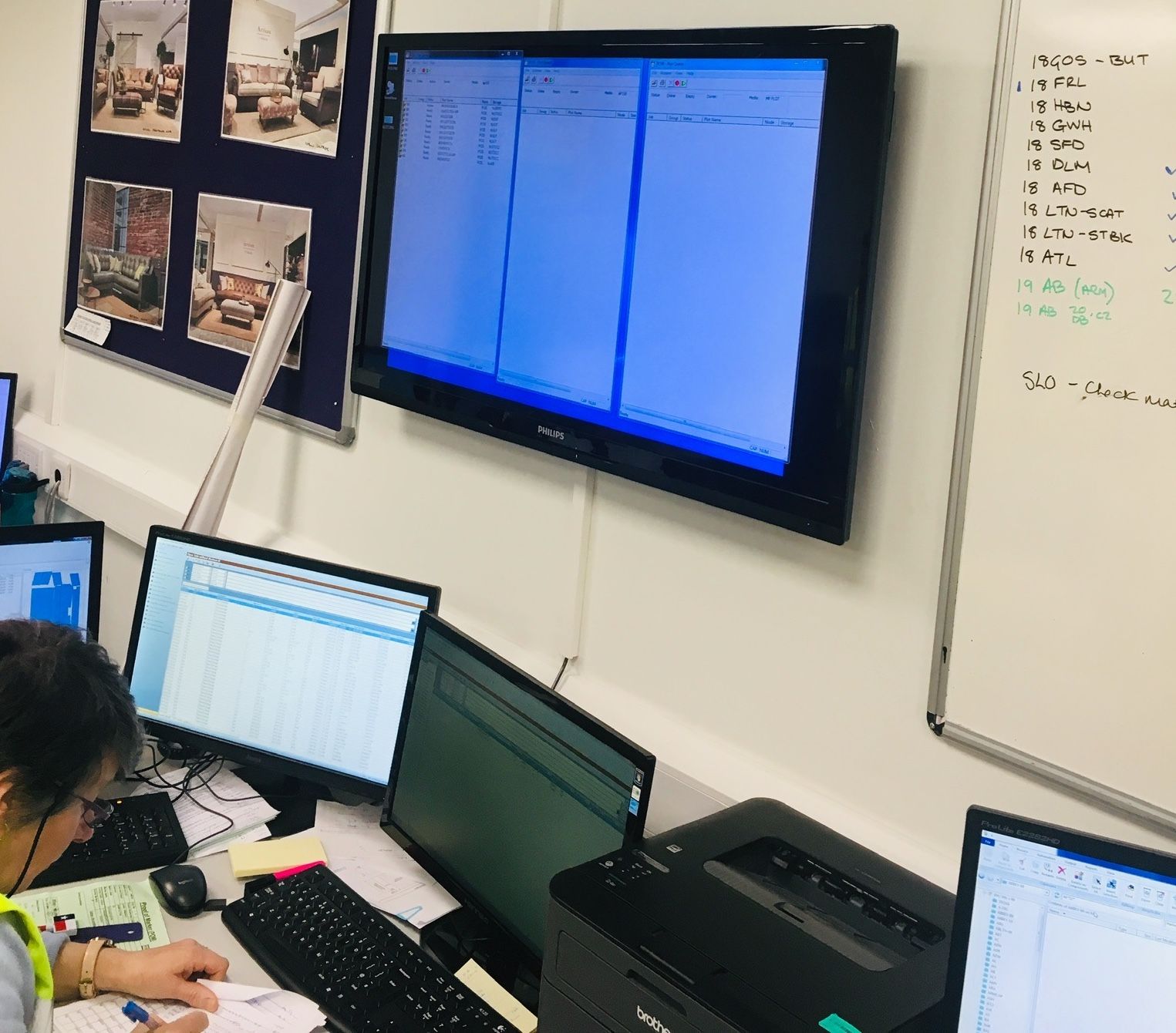
Ideation
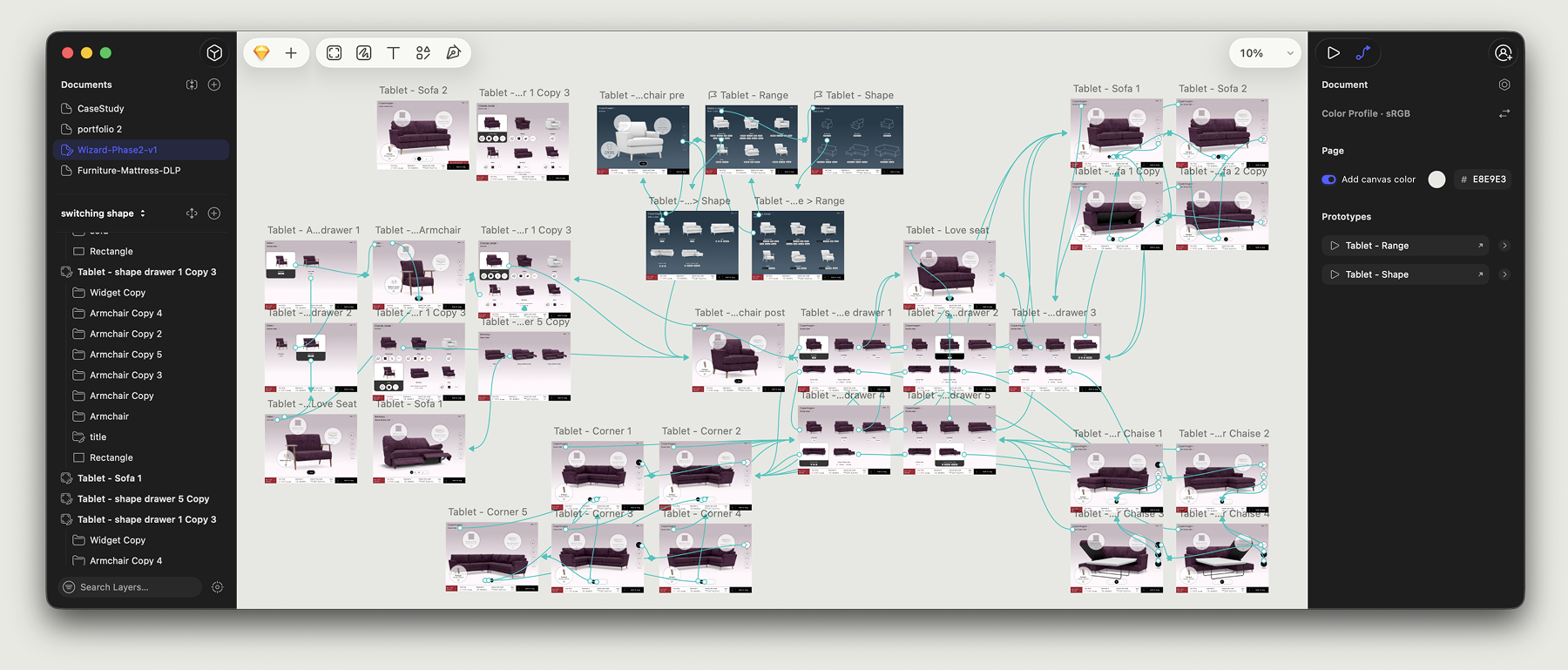
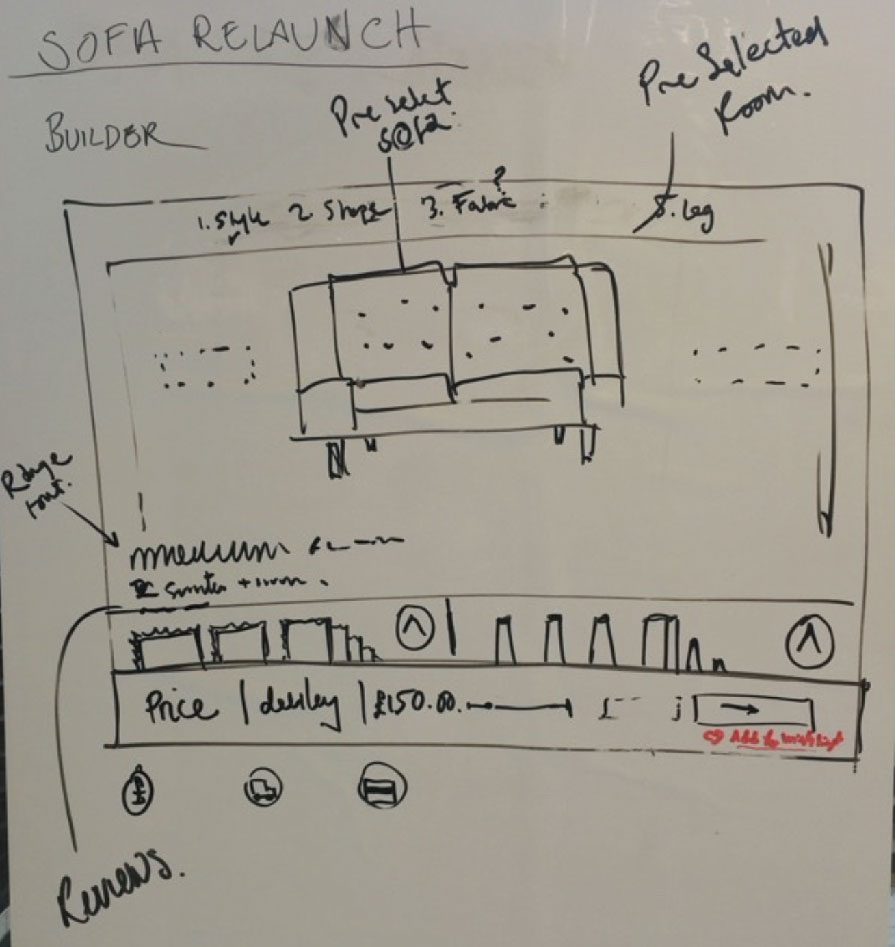
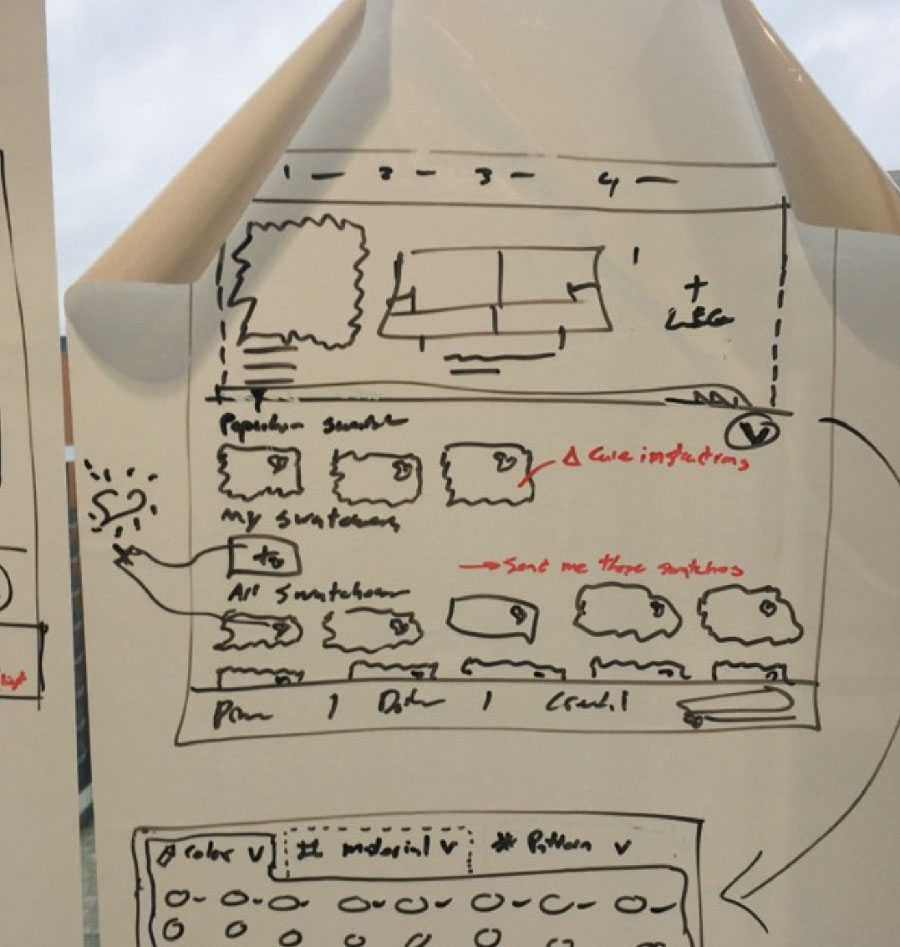
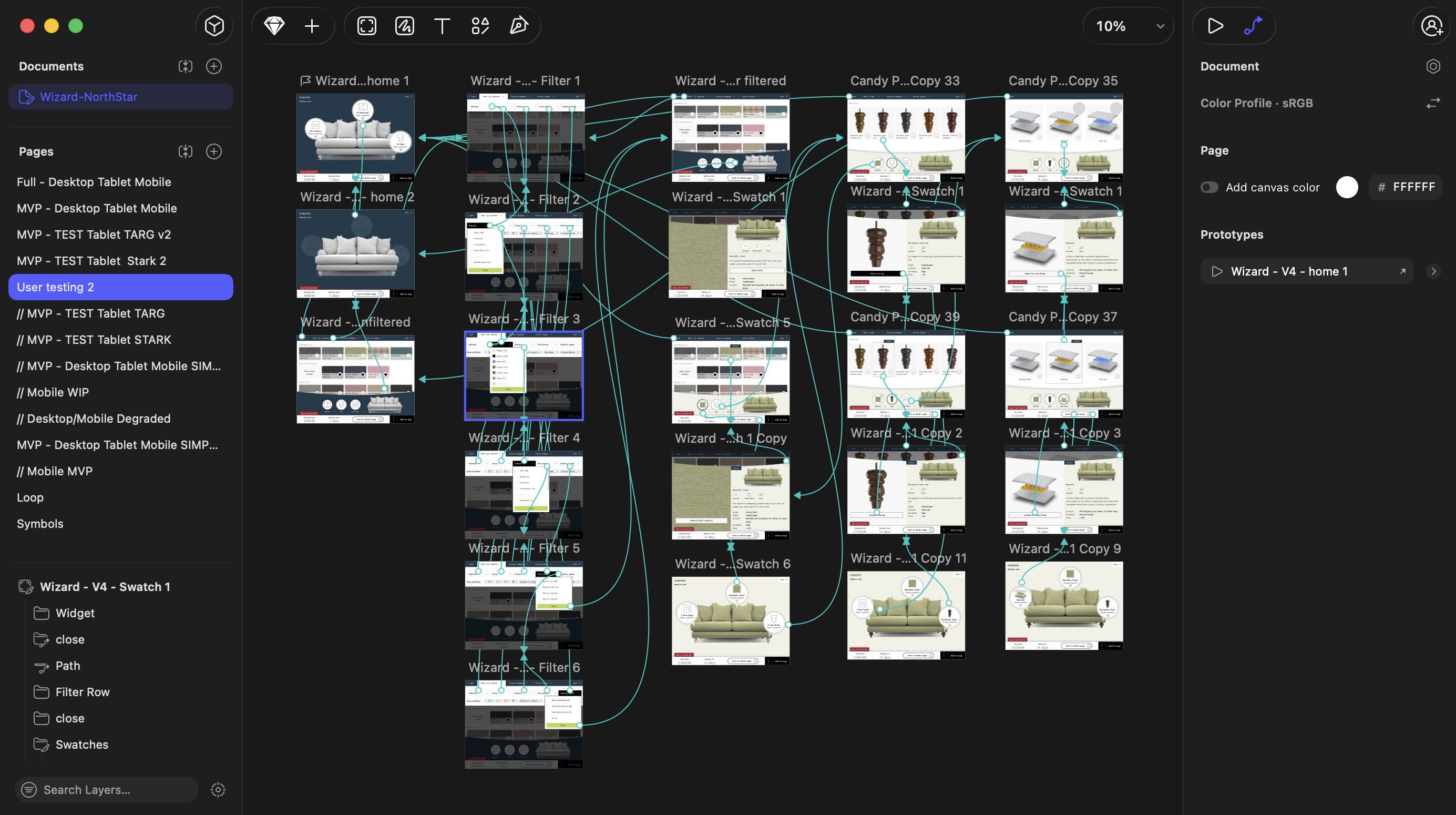
I explored early concepts for each pain point and shared them early to surface engineering constraints sooner. Regular stakeholder check-ins kept the work aligned with M&S’s strategic vision.
What We Built:
Every problem mapped to a solution
Dashboard
Insight
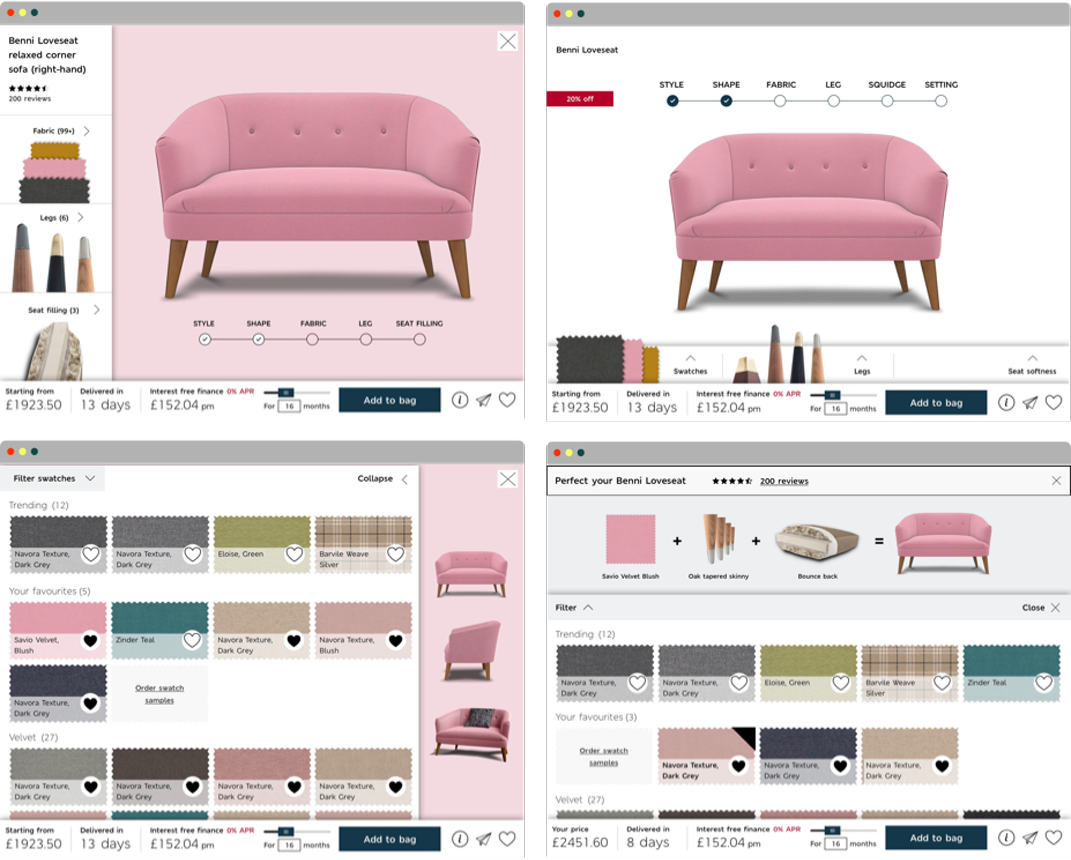
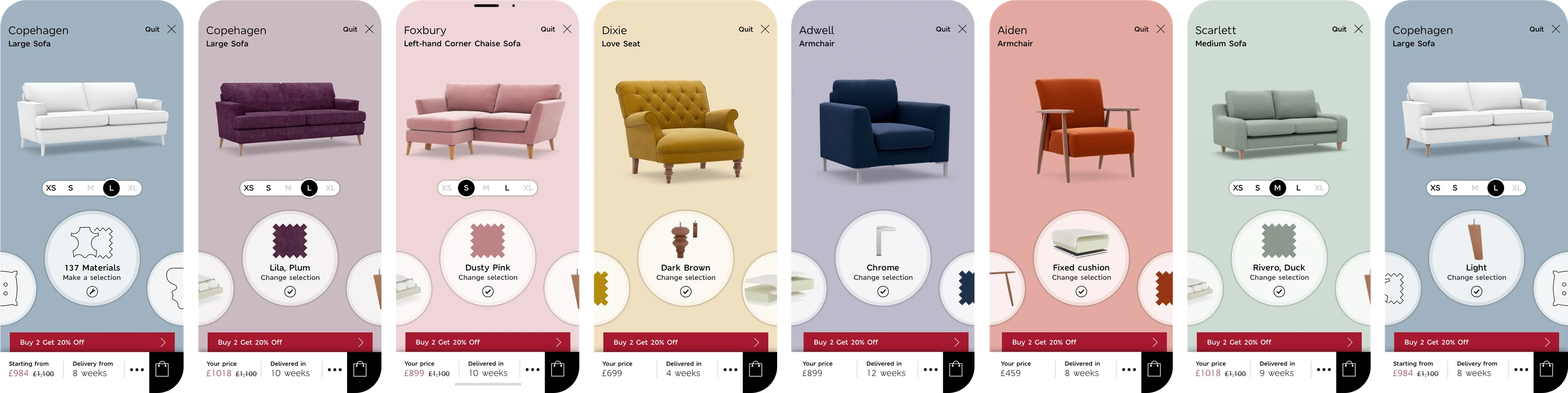
We expected customers would want to start with fabric selection. During research we were surprised that customers prioritised the sofa’s leg colour before considering other options.
Solution
We introduced nonlinear navigation, enabling customers to start with the feature they deemed most important.
Attribute details
Insight
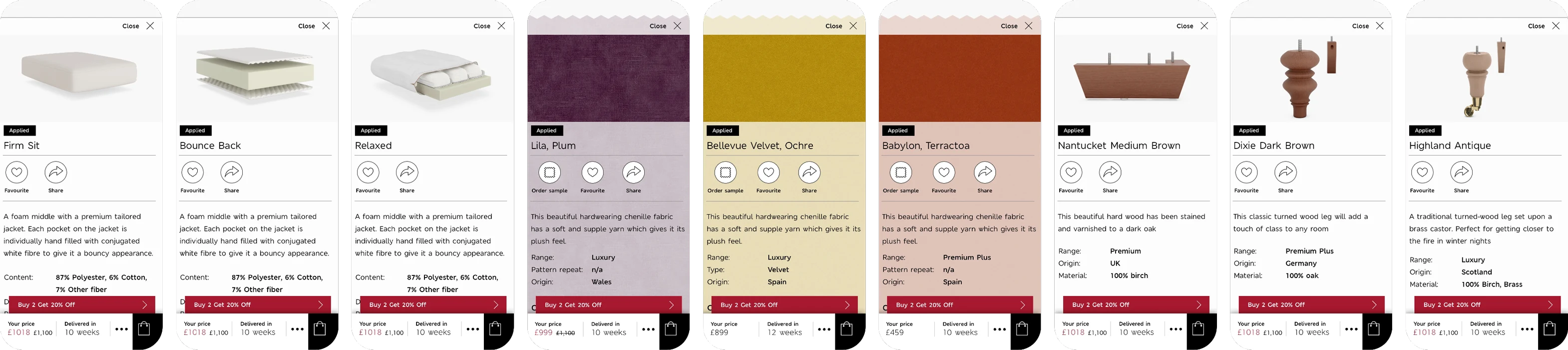
Customers increasingly care about the origins of their products and the potential effects of materials on family members with allergies. A significant proportion of returns stemmed from inaccurate descriptions of cushion materials and properties.
Solution
We collaborated with the Buyers to provide more detailed descriptions and introduced new informational panels. Additionally, we worked with our 3D partner to create exploded renders of cushion types, offering customers a clear understanding of their structure and feel.
Comparison tool
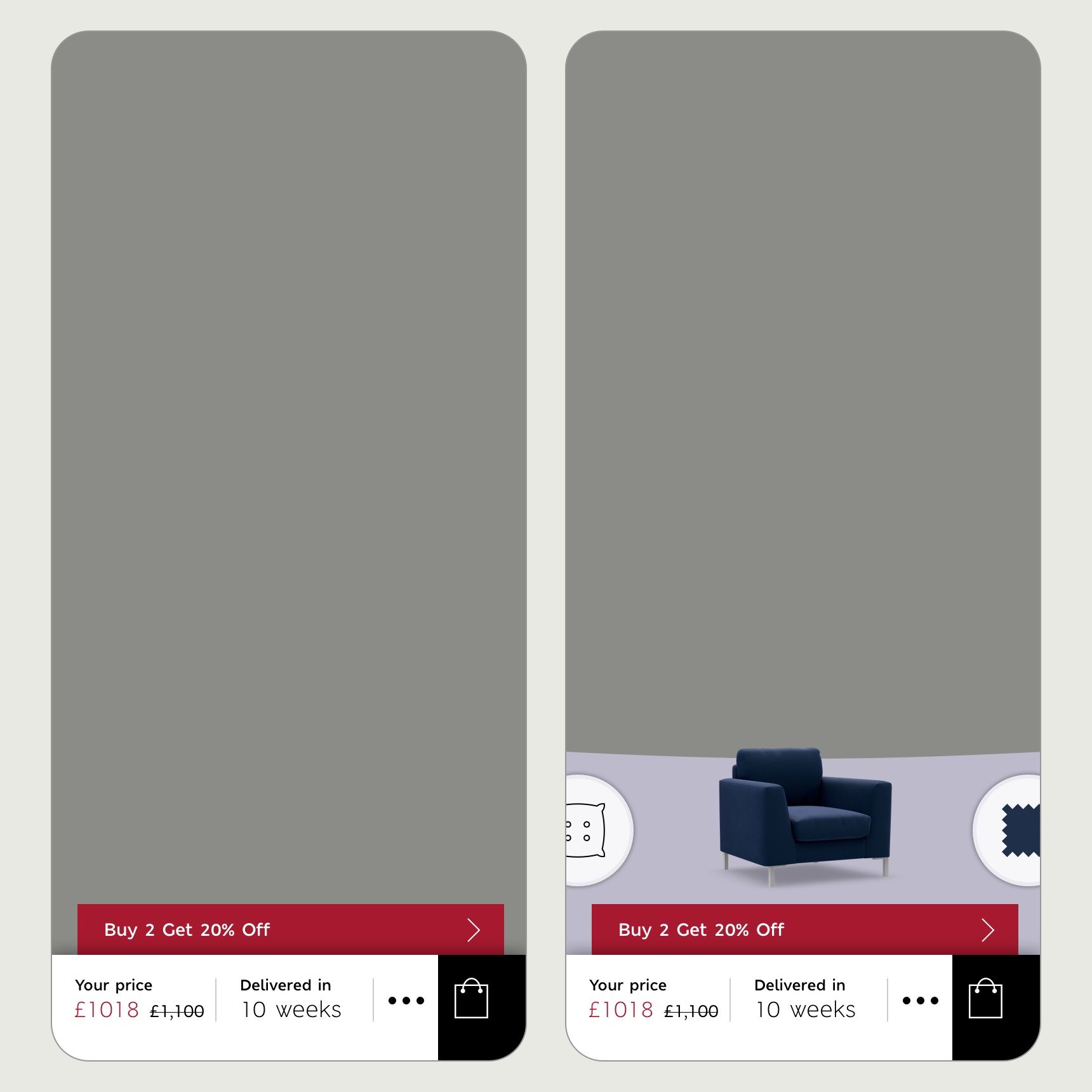
Price and delivery bar
Insight
The previous system did not reveal the final cost or delivery date until checkout. Budget and delivery speed were top concerns for customers.
Solution
We implemented an information bar that updated the total cost and delivery time in real-time as customers customised their sofa.
Preview panel
Insight
Customers were frustrated by the lack of a quick preview showing different fabrics on the sofa.
Solution
We developed a real-time preview feature, allowing customers to see updates instantly without needing to navigate away from the current screen.
Favourites and samples [planned]
Insight
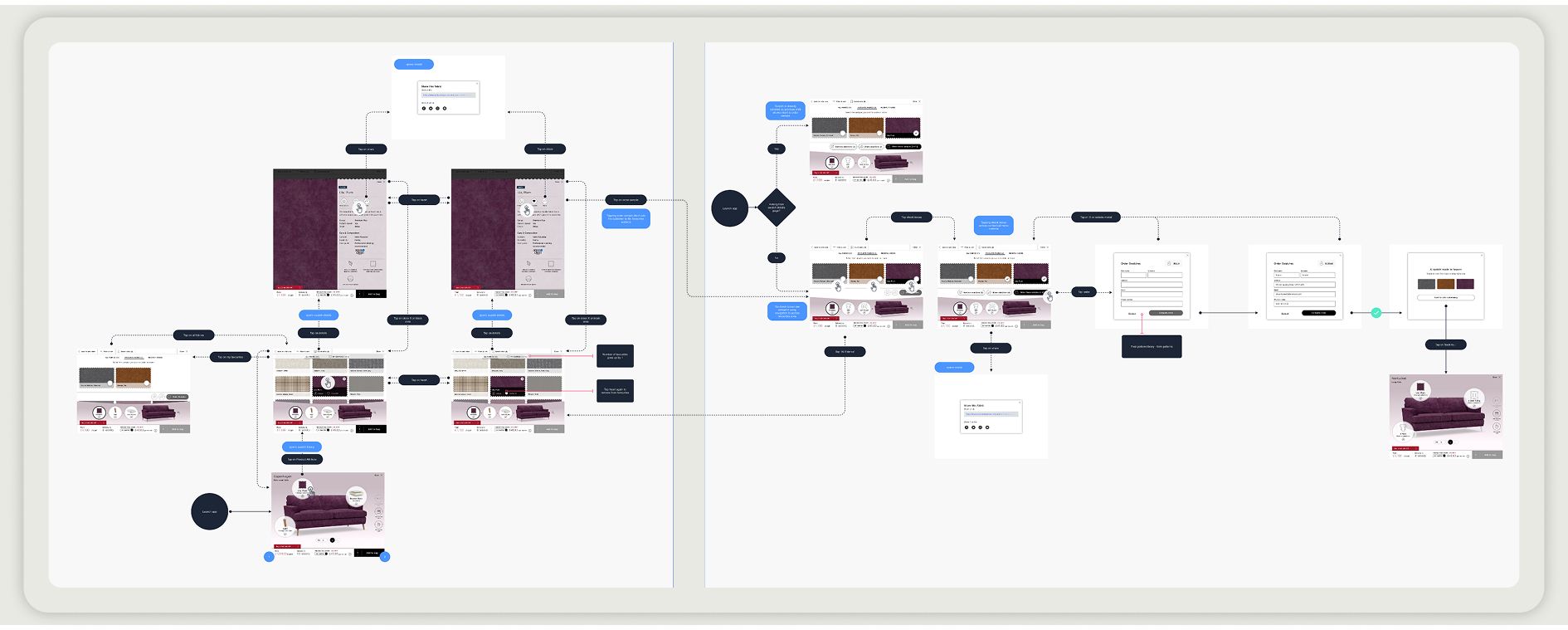
Customers wanted to touch and feel fabrics before committing to a purchase. Many didn’t understand terms like “swatch.” There was no simple ordering tool. The existing set up meant customers had to phone up for sample orders.
Solution
I designed a simple flow for ordering fabric samples.
Favouriting and sample ordering flows
Order status
Insight
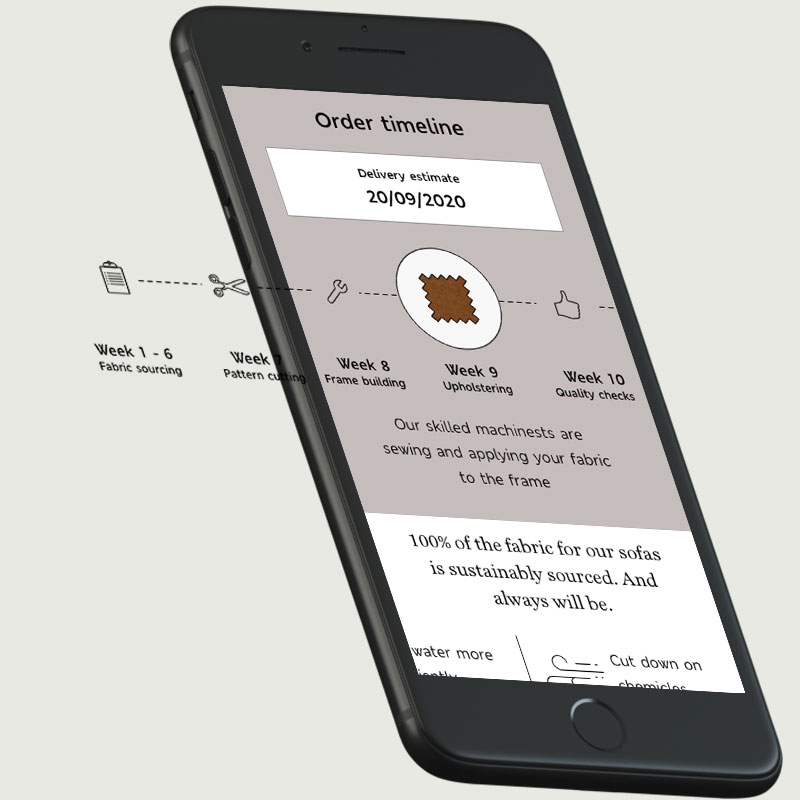
Due to long lead times and limited after-sales communication, many customers cancelled their order, even when their purchase was already in production.
Solution
We developed an engaging order tracker that combined real-time updates with elements of theatre (think Domino’s Pizza Tracker) to reassure customers their order was progressing. Between this and the other components, cancellation rates dropped by 60%.
Range finder [planned]
Insight
Customers often wanted to explore other ranges without starting from scratch.
Solution
I designed a flow that let users apply their selected attributes, such as fabric or leg type, across sofa collections.